
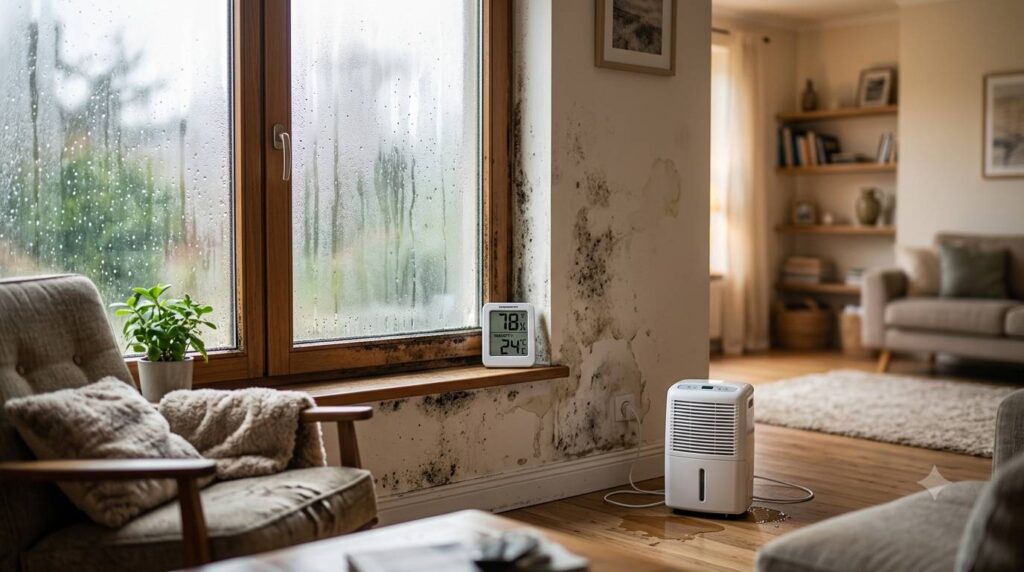
High indoor humidity can make a home feel warmer, create musty odors, and place extra strain on cooling equipment. In Southwest Florida, moisture control is important. Knowing what causes excess humidity, how to spot early warning signs, and when to seek professional help can protect comfort and indoor air quality.
Humidity is part of life in Southwest Florida, but too much moisture inside your home can become a comfort problem. Rooms may feel sticky even when the air conditioner is running, and damp conditions can encourage odors, condensation, and mold growth. High humidity can also make your cooling system work harder than necessary. Effective humidity control for Southwest Florida homes starts with finding out why moisture levels are elevated instead of simply lowering the thermostat. By recognizing the common causes and early warning signs, homeowners can take practical steps to improve comfort, protect household materials, and support healthier indoor air.
What Causes High Indoor Humidity?
Florida’s warm, moisture-heavy outdoor air is a major factor, but HVAC performance matters too. An air conditioner that is too large for the home may cool rooms quickly and shut off before removing enough moisture. Poor airflow, duct leakage, or a system that needs maintenance can also reduce dehumidification.
Humidity may become more noticeable during mild but damp weather because the AC does not run as long. Outdoor air entering through gaps or leaky ductwork can add moisture and make the home feel uncomfortable even when the temperature seems normal.
Warning Signs of Excess Moisture
A clammy or sticky feeling is often one of the first signs. Musty odors can also point to excess moisture. Other warning signs include condensation on windows or vents, damp-feeling fabrics, mildew, and wood surfaces that begin to swell or change shape.
Pay attention if your AC runs often but the home still feels uncomfortable. The problem may not be temperature alone. High humidity can make indoor air feel warmer, which may lead homeowners to lower the thermostat and increase energy use without fixing the real issue.
How to Control Humidity More Effectively
Start with proper HVAC maintenance. Clean, correctly operating equipment can manage airflow and remove moisture more effectively. If the problem continues, a professional assessment can check equipment sizing, ductwork, airflow, and possible air leakage.
For ongoing moisture problems, a whole-home dehumidifier can provide more consistent control than air conditioning alone. Professional humidity control for Southwest Florida homes may combine dehumidification with system testing so the solution addresses the source of excess moisture instead of masking the symptoms.
Keep exterior doors and windows closed while the AC is running. Avoid making extreme thermostat changes just to make the house feel drier. If humidity remains high, testing the HVAC system and ductwork can reveal performance issues that are not obvious during normal use.
FAQs
What indoor humidity level is too high?
Humidity that remains above about 60% can feel uncomfortable and may support mold or mildew. Many homes are more comfortable around 30% to 50% relative humidity.
Can an oversized AC cause high humidity?
Yes. An oversized unit may cool the home too quickly and shut off before it removes enough moisture from the air.
Will lowering the thermostat fix humidity?
Not always. It may make the home cooler, but it will not correct poor airflow, duct leakage, improper system sizing, or inadequate dehumidification.
When should I consider a whole-home dehumidifier?
It may be worth considering when humidity remains high throughout the home even when the AC is working properly.
What to Remember
High indoor humidity affects comfort, indoor air quality, household materials, and HVAC performance. Warning signs such as sticky rooms, musty odors, condensation, mildew, and recurring discomfort should not be ignored. The best response is to identify why moisture is building up rather than repeatedly lowering the thermostat.
Regular HVAC maintenance, proper airflow, correct equipment sizing, duct testing, and whole-home dehumidification can help restore better moisture balance. A professional comfort assessment can also uncover issues that are difficult to spot without testing. Addressing humidity early can also reduce unnecessary cooling demand and help protect wood, fabrics, and interior finishes from prolonged exposure to excess moisture.
Southwest Florida’s climate makes humidity management an important part of year-round home comfort. Professional humidity control for Southwest Florida homes can identify system problems, improve moisture removal, and help maintain a cooler, more comfortable indoor environment while supporting efficient HVAC operation.