
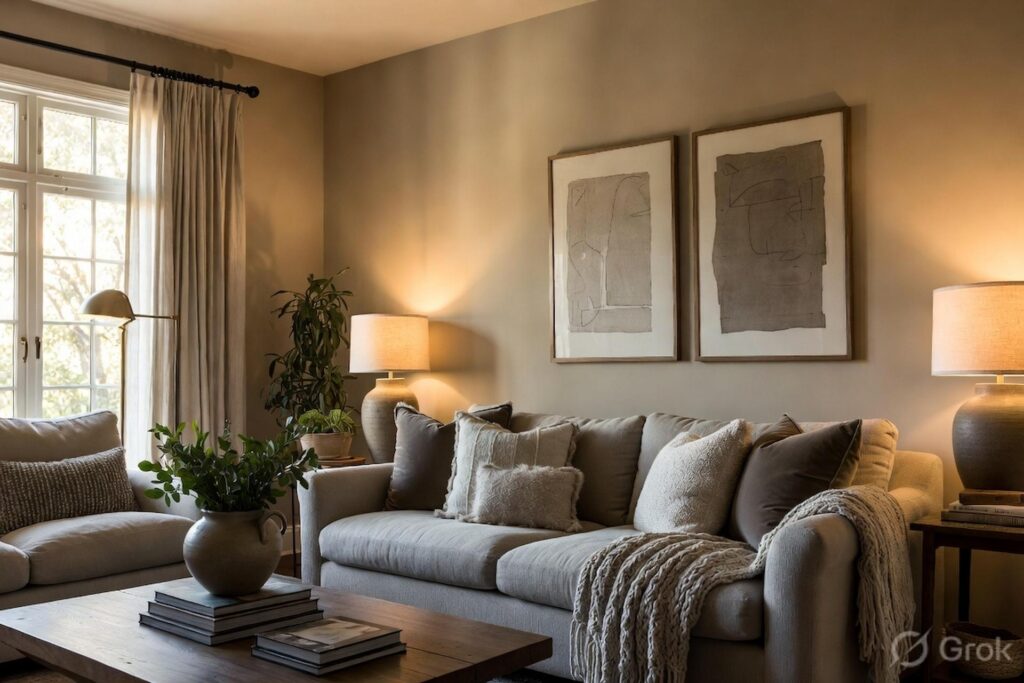
Creating a home that looks good and works well doesn’t require a big budget or professional help. It comes down to understanding a few core principles that have guided great spaces for decades. These fundamentals help you make choices that feel personal, comfortable, and lasting—no matter the size or style of your house.
Whether you’re starting from scratch or refreshing a single room, focusing on how color, light, arrangement, and texture work together gives you confidence. The best interiors support daily routines while lifting your mood. Let’s walk through what really matters and how to apply it.
The Power of Color Theory in Everyday Spaces
Color sets the emotional tone of a room before you even notice the furniture. Warm tones like soft terracotta or golden beige create cozy, inviting feelings. Cooler shades of blue-gray or sage green bring calm and clarity. The key is balance rather than matching everything perfectly.
Start by choosing a dominant color that reflects how you want the room to feel. Then layer in complementary hues. For example, pair a deep navy sofa with warm wood tones and creamy accents. This creates depth without chaos.
Test colors in your actual space. Paint large samples on the wall and observe them at different times of day. Natural light changes everything. Remember that small rooms often benefit from lighter palettes to feel airy, while larger spaces can handle bolder statements.
Furniture Placement and Room Flow That Feels Natural
Great furniture arrangement makes a room easy to move through and live in. The goal is conversation-friendly zones without blocking pathways.
Begin by identifying the main traffic routes. Keep those clear. In living rooms, anchor the seating with a rug and position sofas and chairs to face each other or a shared focal point. Leave enough space—about 18 inches between coffee table and sofa—for comfortable movement.
In bedrooms, place the bed so you can enter and exit easily from both sides when possible. Avoid pushing all furniture against walls; floating a piece slightly can make the room feel more spacious and intentional.
For dining areas, ensure chairs have room to pull out without hitting walls or other furniture. In home offices, position your desk to face a window or an inspiring view when working, but avoid glare on screens.
Lighting Strategies for Function and Atmosphere
Lighting is often overlooked, yet it dramatically changes how a room performs and feels. Relying on just one ceiling light creates flat, uninviting spaces. Instead, use layers.
- Ambient lighting: General overhead or recessed lights for everyday tasks.
- Task lighting: Desk lamps, reading lights, or under-cabinet kitchen strips for specific activities.
- Accent lighting: Wall sconces, picture lights, or LED strips to highlight artwork or architectural details.
Dimmers are one of the smartest investments. They let you shift from bright morning energy to soft evening relaxation. In living rooms, combine table lamps at different heights for warmth. Bedrooms benefit from bedside lamps with adjustable brightness. Home offices need good task lighting to reduce eye strain during long work sessions.
Getting Scale and Proportion Right
Rooms feel harmonious when objects relate well in size. Mix large and small pieces thoughtfully. A massive sectional in a tiny living room can overwhelm, while tiny accessories on a big console look lost.
Use the “rule of thirds” as a guide: imagine dividing your wall or surface into thirds and place key items along those lines. In a dining area, a large pendant light centered over the table grounds the space beautifully. In bedrooms, vary heights—tall headboards with lower nightstands and medium artwork create pleasing rhythm.
Proportion also applies to patterns and textures. A bold graphic rug pairs well with simpler solids nearby.
Layering Textures for Richness and Comfort
Texture adds soul to a room. Smooth, rough, soft, and shiny surfaces together create interest and invite touch.
In a living room, combine a velvet sofa with linen pillows, a woven jute rug, and wooden side tables. Bedrooms feel luxurious with crisp cotton sheets, a chunky knit throw, and a sleek metal lamp. Even small details like a ceramic vase next to a wooden bowl make a difference.
Texture also improves acoustics. Soft furnishings absorb sound, making spaces quieter and more pleasant.
Establishing Strong Focal Points
Every room needs something that draws the eye and gives it purpose. It could be a fireplace, a large piece of art, a statement sofa, or a beautiful view.
In living rooms, arrange seating to highlight the focal point. In bedrooms, the bed itself often serves as the star—dress it with beautiful linens and an interesting headboard. Dining areas shine with a striking chandelier or a well-styled sideboard. Home offices benefit from an inspiring gallery wall or a bold desk chair.
Support the focal point with secondary elements, but don’t compete with it.
Bringing It Together: Room-by-Room Examples
Living Room: Choose a comfortable sofa as your anchor. Add two armchairs at an angle for conversation. Use a large area rug to define the zone. Layer lighting and include plants for life. Keep surfaces edited—maybe one tray with candles and a book.
Bedroom: Prioritize the bed. Use calming colors on walls and bedding. Install blackout curtains for better sleep. Add a cozy reading chair in the corner with good light. Limit clutter on nightstands to essentials plus one personal item.
Dining Area: Focus on the table. Good lighting above it makes meals special. Mix chair styles for personality. A sideboard offers storage and display space for favorite dishes or seasonal decor.
Home Office: Choose a desk that fits your workflow. Ensure natural light if possible, supplemented by task lamps. Add shelving that keeps supplies accessible but tidy. Incorporate a few personal objects to stay motivated without distraction.
Common Decorating Mistakes to Avoid
Many people struggle with pushing all furniture against walls, creating “dead” space in the center. Others buy matching sets that feel stiff and impersonal. Over-decorating surfaces until they look cluttered kills visual calm. Ignoring scale makes rooms feel off-balance. And forgetting function—choosing beautiful but uncomfortable seating—leads to spaces that look nice in photos but aren’t lived in.
Take time to sit in your room and notice what feels awkward. Adjust gradually.
Budget-Friendly Styling Techniques That Deliver Impact
You don’t need expensive pieces to create beauty. Shop thrift stores, garage sales, or online marketplaces for solid basics, then elevate them. Fresh paint is one of the highest-return investments. Rearrange what you already own before buying new.
Shop your home—move art, lamps, or rugs between rooms for a fresh look. Use affordable textiles like throws, pillows, and curtains to change the mood seasonally. Plants and cuttings from your garden or a friend’s add life for almost nothing. Gallery walls using printed family photos or affordable prints create personality.
Focus spending on items you touch daily, like sofa fabrics or mattress quality, and save on decorative accents that are easy to update.
Actionable Steps to Start Today
- Walk through each room and note what feels good versus what bothers you.
- Pick one principle, color, lighting, or flow, and focus there first.
- Clear surfaces and edit down to your favorite items.
- Experiment with moving one or two larger pieces.
- Live with the changes for a few days before deciding.
Great design evolves. Your home should support how you actually live while expressing what matters to you.
These fundamentals give you a strong foundation. They help balance beauty with practicality so your spaces nurture both daily routines and special moments. Start small, trust your instincts, and enjoy the process of making your home truly yours.